
How can we leverage scientific insights to promote human flourishing?
What makes us different from each other? And how can we shape our character to become the people we want to be? My research tackles these questions through an interdisciplinary lens, exploring the factors behind individual differences in personality—especially traits like curiosity, which are linked to numerous positive life outcomes. For instance, curious individuals tend to be happier, healthier, and even live longer. But why are some people naturally more curious than others? And can we leverage modern scientific insights to promote curiosity in our personality?

Select Research Topics
-
A central goal of my research is to develop a neurobiologically grounded understanding of individual differences: what brain mechanisms shape the diverse personality traits we observe? Many core drives are rooted in the dopamine system, which helps determine whether we approach or avoid new or uncertain situations. Through a process called incentive salience assignment, the dopamine system transforms neutral sensory data into information that captures our attention and motivates action. Essentially, this makes specific details “pop,” signaling them as worth exploring.
This salience-driven prioritization is crucial in guiding attention and behavior, filtering the vast amounts of information we encounter so that only the most relevant pieces receive our attention or consideration. Given the influence of this process on what we pay attention to and are motivated by, it directly impacts how we think and what longer-term goals we pursue. Since personality can be understood as a set of distinct cognitive, emotional, and behavioral patterns, these salience processes may fundamentally shape the unique profiles we recognize as individual personalities.
For example, curiosity may involve a heightened sensitivity to assign salience to information, driving curious individuals to explore and seek out new insights. Over time, this shapes the types of experiences curious people pursue and behaviors they engage in. Creativity, on the other hand, could result from an atypical salience process, allowing unconventional or overlooked details to stand out and inspire novel connections during problem-solving. This in turn could lead to more general tendencies towards unconventionality, novelty, and innovation.
Our findings support these ideas: creative and curious individuals prioritize visual information differently (Gross et al., 2019, see Figure 1), are motivated by a wider range of real-world rewards (Gross, Elliott, Schooler, 2024), and find unique meaning in unconventional information. At the neural level, we can use EEG to see how creative brains respond to salient stimuli, as represented in Graphic 1. We found that creative brains responded more weakly to an “oddball” tone, suggesting a distinct way of processing information that may underlie creative thinking (Gross, Elliott, Schooler, 2024), see Figure 2. For a deeper dive on this theoretical model, explore our recent article in Trends in Cognitive Sciences (Gross & Schooler, 2024) or a popular version on Psyche.
In short, incentive salience not only determines what we focus on but also shapes our thinking and actions over time. These processes likely underpin key traits like curiosity, creativity, and openness, helping to explain why some people are naturally more inquisitive, creative, or receptive to new experiences.
-
Personality traits like curiosity and openness are often seen as stable, but recent research reveals they can change based on context. My work examines these traits not only as lasting qualities but also as flexible states influenced by our surroundings. For instance, exposure to artistic films has been shown to boost outcomes related to openness—enhancing creativity, information-seeking, feelings of curiosity, humility, and a sense of openness to new experiences (Gross & Schooler, in press). These effects are especially pronounced for people who already score high in curiosity or openness, showing how the right context can bring out the best in our traits.
The implications of this work are exciting. If certain contexts can temporarily amplify traits like curiosity and openness, we may be able to design environments, experiences, and interventions that encourage personal growth and flourishing. Imagine spaces that actively cultivate creativity or programs that foster openness and resilience in individuals, helping people to become more adaptable and engaged. This work opens up new possibilities for enhancing education, mental health interventions, and even workplace environments by intentionally activating positive traits. Ultimately, it suggests that personality isn’t fixed—we can harness the power of context to unlock potential and promote well-being.
-
In experimental psychological research, the ability to measure state-level variations in personality is essential, particularly for studies aiming to understand natural fluctuations in trait expression or experimental designs aiming to manipulate these states and observe their downstream effects. While trait measures of curiosity and creativity are well-established, tools for assessing momentary, fluctuating states—how curious or creatively inspired someone feels at a given moment—are notably lacking. State measures, like the State Adaptations of the Epistemic Curiosity Scale and the Creative Inspiration Scale below, aim to address this gap by capturing real-time, situational shifts in curiosity and creative inspiration. These tools are crucial for experimental research as they allow researchers to test how induced changes in curiosity or creativity influence learning, problem-solving, engagement, and other outcomes. By using state measures, researchers can better understand the dynamic nature of curiosity and creativity and their potential to drive immediate and meaningful behavior changes.
Meet the Team
Undergraduate Psychological Researchers
-
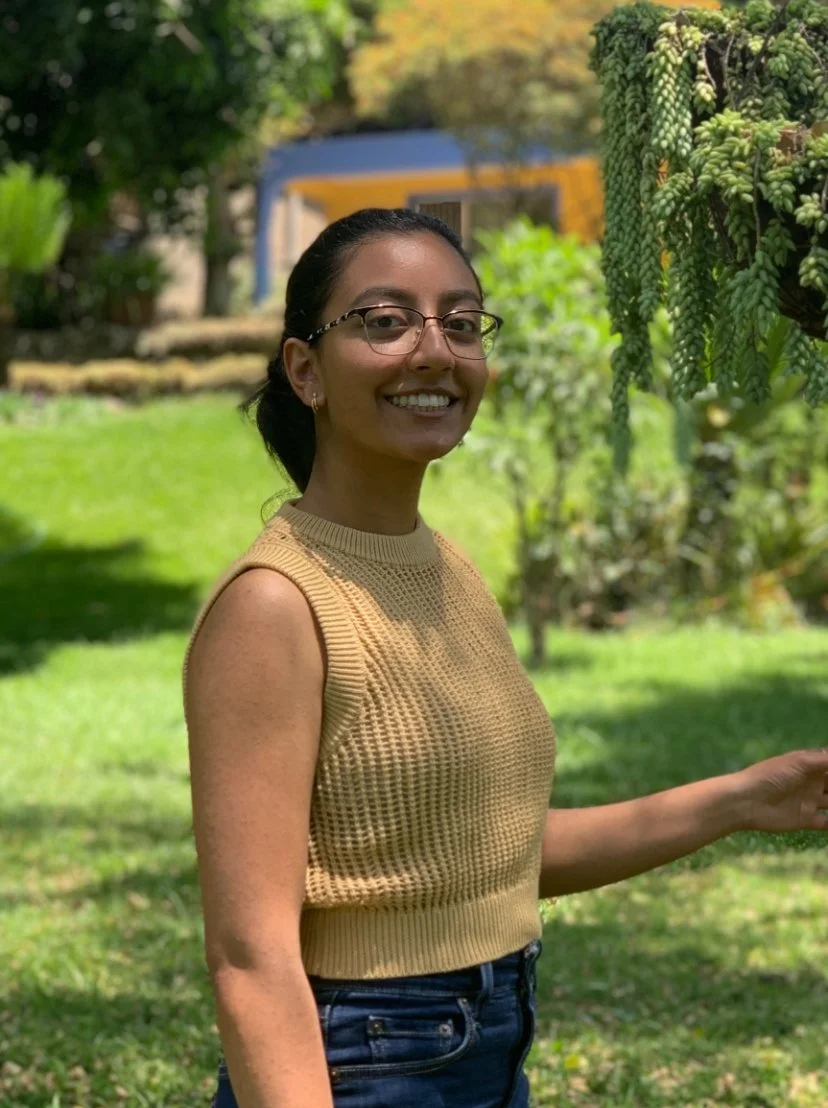
Keya Patel
Keya is a third-year Psychological & Brain Sciences and Sociology student, minoring in Media Arts & Design and Applied Psychology, working with Dr. Gross. Some of her research interests include interpersonal relationships, the relationship between societal institutions and the individual, and developmental psychology, specifically construction of worldviews and personality. In her free time, she enjoys playing volleyball, painting, and going to movie nights with friends!
-

Angella Yurek
Angella Yurek is a third-year Psychological & Brain Sciences major with a research focus on curiosity and human behavior. She also works in the field of exercise science as a personal trainer and nutrition coach, and has experience in social media content creation and strategy—combining her passion for the mind with expertise in physical health, performance, and communication.
-

Celia Gu
Celia Gu is a fourth undergraduate at the University of California, Santa Barbara, majoring in Psychology and Brain Sciences. Her research interests include creativity, cognitive flexibility, metacognition, and embodied cognition. In the lab, she contributes to a study on functional fixedness, exploring how individuals overcome cognitive constraints to generate novel solutions. She is also interested in how immersive role-play and symbolic environments can be used as tools for personal growth and psychological well-being. Her hobbies range from digital art, character design, to golfing.
-
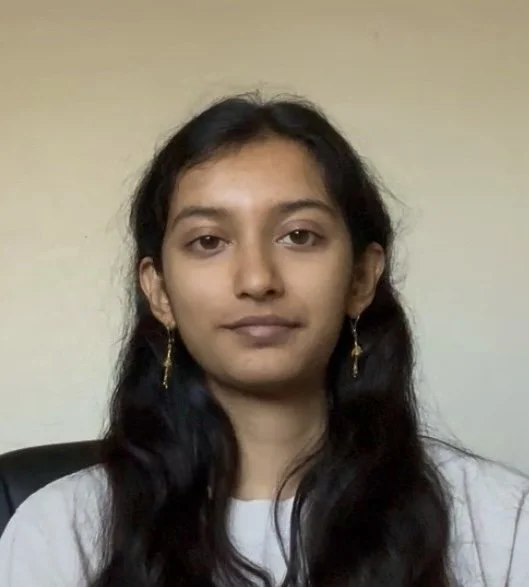
Anushka Gundimeda
Anushka is a third-year Biopsychology major interested in how curiosity supports psychological flourishing and creative thinking. At META Lab, they contribute to the development of CuriVerse, a smartphone-based intervention aimed at increasing trait curiosity. Their work includes participant recruitment, data collection and processing, and literature reviews. They are especially interested in how curiosity-based tools can enhance well-being, resilience, and creative potential.
-

Jacqueline McGuinness
Jacqueline recently graduated from UCSB with a B.S. in Psychological and Brain Sciences and a minor in philosophy. She has served as the META Lab Manager under Dr. Jonathan Schooler for one year, where her research explored the shared cognitive mechanisms between highly creative individuals and those vulnerable to schizophrenia-spectrum disorders. Currently, she is helping Dr. Gross with research on curiosity and wellbeing. Specifically, her work with Dr. Gross explores how we can use technology to foster curiosity among vulnerable populations like senior citizens and college students.
-
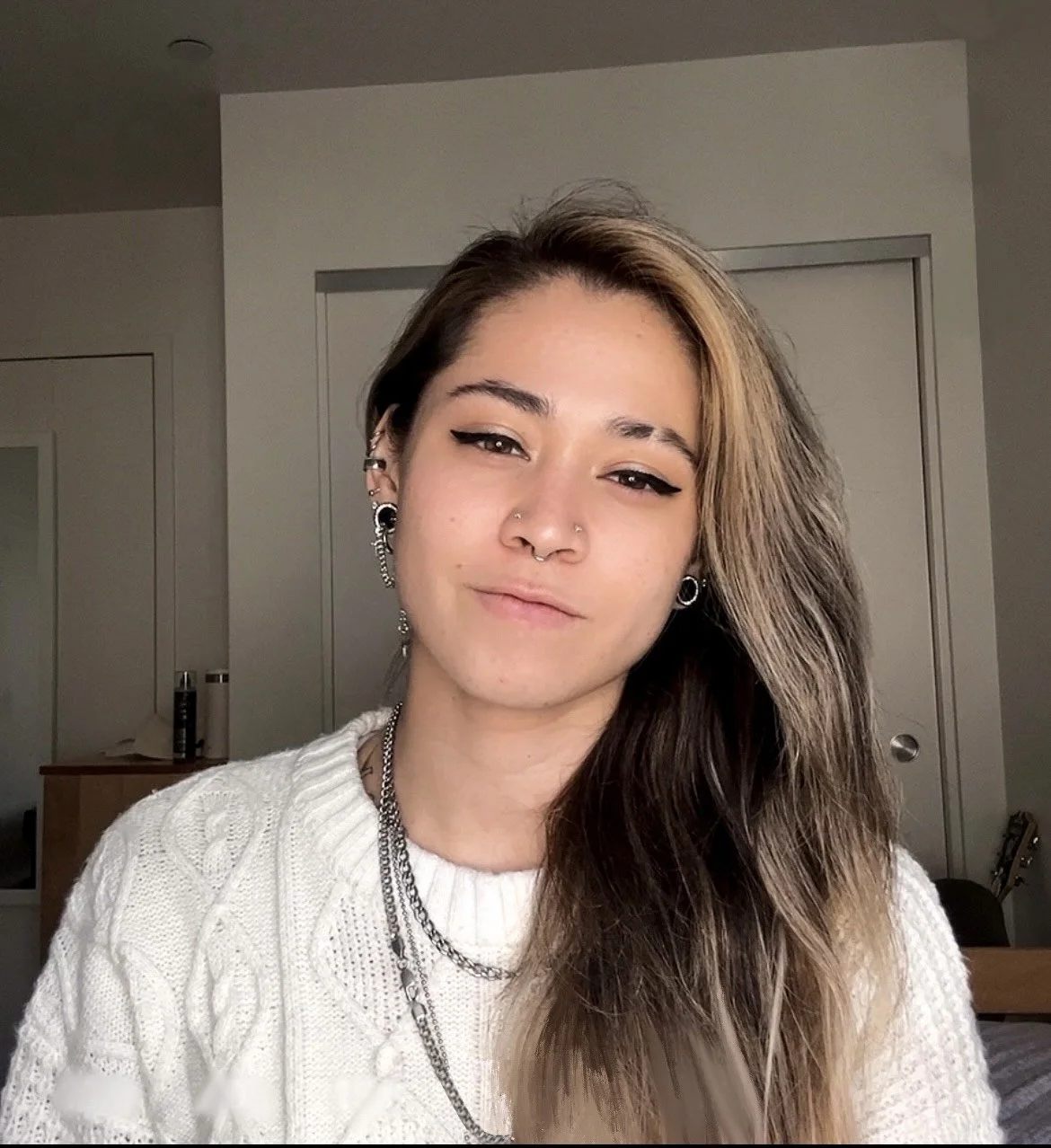
Jessica Kamei
Jessica Kamei is a fourth-year undergraduate majoring in Psychology and Brain Sciences. Her academic interests center around neuroscience and understanding the mind and behavior, with a focus on the intersection between creativity and cognition. Outside of her research, Jessica is a passionate tattoo artist who enjoys creating visual art, writing music, and staying active through sports. She brings a creative and interdisciplinary perspective to both her academic and personal pursuits.
-

Alexis Clubb
Alexis received her B.S. in Psychological and Brain Sciences from UC Santa Barbara in 2025. She currently serves as the Assistant Director at the Sage Center and works as a research assistant, studying curiosity, mindfulness, well-being, attention, and mind-wandering. In collaboration with Madeleine, she is developing daily curiosity protocols, conducting experience sampling to assess app usability, and exploring how curiosity-based interventions can support individuals across the lifespan. Outside of research, Alexis enjoys camping, pottery, sewing, and carpentry.
Undergraduate data and math scientists
-
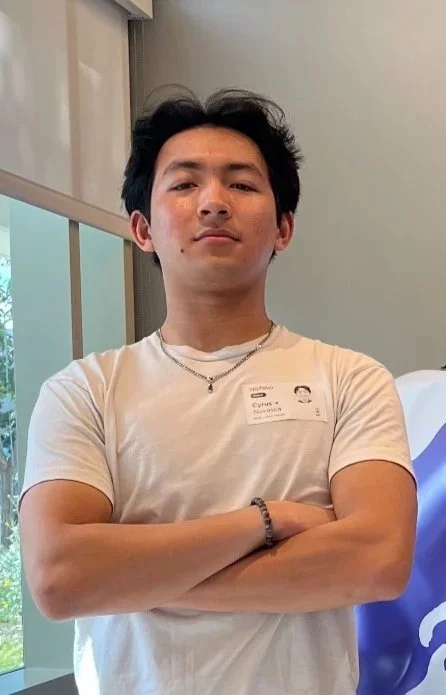
Cyrus Navasca
Cyrus is a fourth-year student studying Statistics, Data Science and Math. He works with Madeleine and leads statistical analysis and machine learning efforts to uncover what causes curiosity and creativity. Aside from the lab, he is also the President of the UCSB Data Science Collaborative and teaches fundamental technical skills to beginners.
-

Shirley Qiu
Shirley Qiu is a third-year student double majoring in psychological & brain science and statistics & data science. With Dr. Gross, she is working ona study developing the 2- and 4-word remote associate task, as well as data processing.
-

Shirley Wang
Shirley is a fourth-year student double majoring in Data Science and Psychological & Brain Sciences, working with Madeleine. She enjoys combining technology and psychology to create meaningful real-world impacts. Shirley specializes in R, Python, SAS, PsychoPy, and several other statistical and experimental psychology tools. In her free time, she enjoys rock climbing, cooking, and traveling.
Undergraduate computer scientist
-

Viktor Minchev
Viktor is a third-year Computer Science student at UCSB. He is the app development lead for the CuriVerse App, where he migrated the project to Flutter 3, architectured the Firestore schema, and introduced a shared-widget system for faster iteration. Viktor is also currently developing PropTechy, an AI-powered website builder for real estate, used by landlords, property managers and agents. Learn more at minchev.dev.
Want to join the team?
Atypical Salience Theory of Creativity
Blitz Talk at the Society for the Neuroscience of Creativity, 2024